Why Professional Mold Inspection Services Matter for Your Fort Worth Home
When I bought my first house in Fort Worth, I thought a fresh coat of paint and a clean bill of health from the home inspector were all I needed. A year later, I found black mold creeping up the drywall in a corner of the spare bedroom. The smell was faint at first, then unmistakable. That experience taught me something I wish I had known earlier: mold inspection services are not just for visible outbreaks. They are a critical part of maintaining indoor air quality and protecting your home from hidden moisture problems.
What Mold Inspection Services Actually Cover
Many people assume that a mold inspection is just someone walking around with a flashlight and a sniff test. In reality, a professional assessment involves a thorough evaluation of the entire building envelope, from the roof to the foundation. Inspectors look for signs of water intrusion, condensation, and poor ventilation. They check HVAC systems for hidden leaks and measure spore counts through air sampling. This data gives a clear picture of what is happening in the air you breathe every day.
In Fort Worth, where humidity levels can climb for months at a time, moisture control is especially important. I have seen homes where a small plumbing leak under a sink turned into a full-blown mold problem inside the walls. The drywall had to be cut out, the framing treated, and the HVAC system cleaned. That kind of damage is expensive and disruptive. A proper inspection could have caught the moisture early and saved the homeowner thousands.
When to Call for a Mold Inspection
You might think you only need mold inspection services after you see or smell mold. But there are other signs that warrant a call. If you notice a musty odor, peeling wallpaper, or excessive condensation on windows, those are red flags. Also, if you have recently experienced a flood or a roof leak, an inspection should be a priority. Even a small water stain on the ceiling can hide active mold growth inside the insulation or drywall.
I once worked with a family in a newer Fort Worth development. They had been dealing with allergy-like symptoms for months. The home inspection at purchase had passed, but the HVAC system had a design flaw that caused moisture to accumulate inside the ductwork. The spore counts in the air sampling were high, and the inspector found mold colonies growing on the interior surfaces of the air handler. That kind of problem is invisible to the homeowner but can cause real health issues. A professional assessment using industry standards from organizations like ASHRAE and IAQA can identify these hidden threats.
The Difference Between Inspection and Remediation
It is important to understand that mold inspection services and mold remediation are two different things. An inspection is the diagnostic step. It identifies the problem, measures the extent of contamination, and recommends a course of action. A remediation company then performs the actual cleanup and removal. Some companies offer both, but you should always get a separate inspection to ensure an unbiased report.
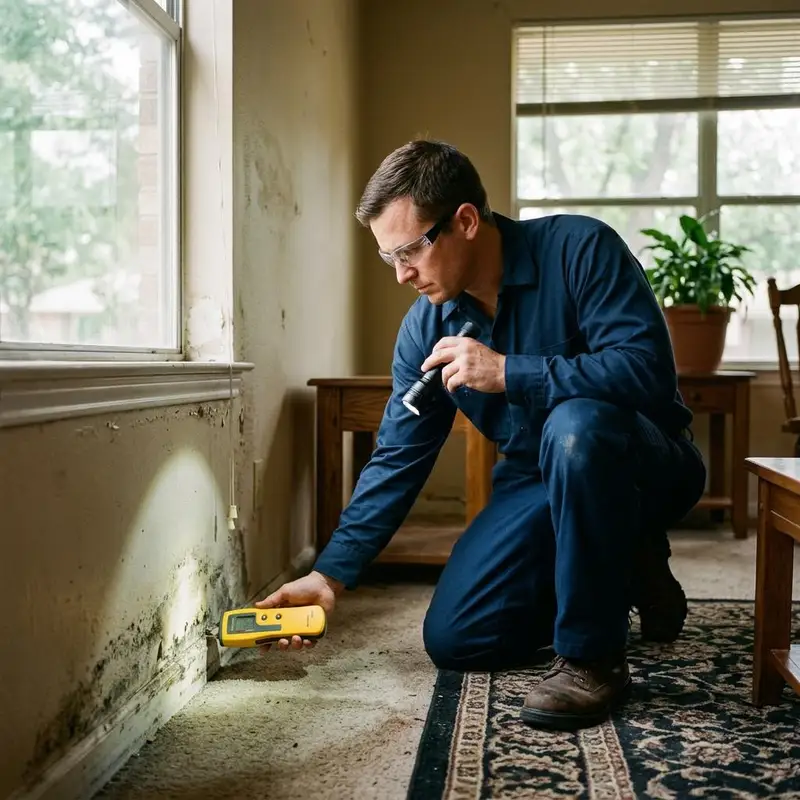
During an inspection, the professional will use tools like moisture meters, borescopes, and thermal imaging cameras. They may take samples of the air or surface materials to send to a lab. The results will include a detailed inspection checklist that covers every area of the home, from the attic to the crawlspace. This report is what you hand to the remediation crew so they know exactly what to do. Without that information, remediation can be guesswork, and guesswork leaves mold behind.
I have seen cases where a homeowner tried to clean visible mold with bleach and hoped that was enough. But bleach does not kill mold on porous surfaces like drywall or wood. The roots of the mold can survive and regrow. A professional inspection would have told them that the affected drywall needed to be removed and replaced. Anecdotal evidence from friends and online forums can be misleading. The only reliable way to know what you are dealing with is through proper testing and analysis.
Health and Building Code Considerations
Mold exposure is linked to a range of health problems, from minor irritation to serious respiratory conditions. The EPA provides guidelines for mold cleanup and prevention, but local building codes also matter. In Fort Worth, certain building codes require proper ventilation in attics and crawl spaces to prevent moisture buildup. An inspector who knows local codes can point out when a home is not meeting those standards. That knowledge can be valuable when negotiating repairs with a seller or planning renovations.
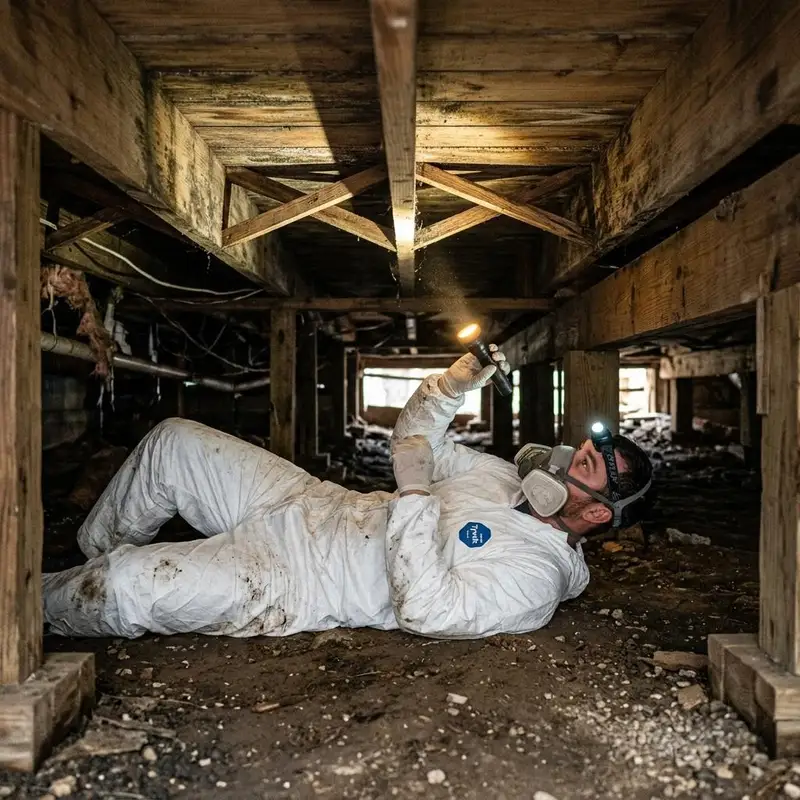
I recall an older home near the Trinity River where the crawl space had no vapor barrier. The soil below was constantly damp, and the moisture was wicking up into the floor joists. The inspector flagged this as a code violation and a mold risk. The homeowner had never thought about the crawl space, but it was the source of the musty smell in the living room. Fixing the moisture control issue there stopped the problem at its source.
Another area that often gets overlooked is HVAC system maintenance. Your heating and cooling system can spread mold spores throughout the entire house if the drainage pan or coils are dirty. An inspection should always include a look at the HVAC system. The IAQA and ASHRAE both publish standards for acceptable indoor air quality and mold prevention. A good inspector will reference those standards in their report.
What to Expect During a Professional Assessment
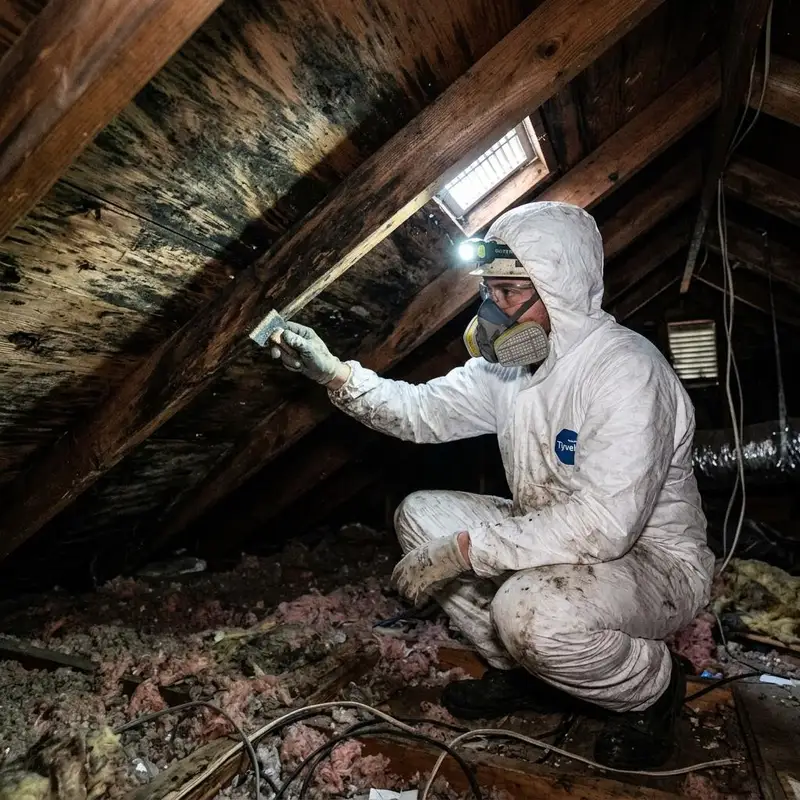
A thorough mold inspection usually takes one to three hours, depending on the size of the property. The inspector will start by interviewing you about any symptoms, water history, or visible concerns. Then they walk the entire property, inside and out. They check the roof, gutters, siding, windows, and foundation. Inside, they look at every room, focusing on bathrooms, kitchens, laundry rooms, and basements. They also inspect the attic and crawl space if accessible.
After the visual inspection, they may perform air sampling to compare indoor spore counts to outdoor levels. If the indoor count is significantly higher, that indicates an active mold source inside the building envelope. Surface sampling can identify specific species of mold, such as black mold, which requires careful handling. The inspector will then compile all findings into a written report with an inspection checklist and recommendations.
The report will include photographs of problem areas and test results. It will also outline a plan for remediation, if needed. That plan might include fixing a leak, improving ventilation, replacing drywall, or cleaning the HVAC system. The report is your blueprint for action. Without it, you are essentially flying blind.
Choosing a Qualified Inspector
Not all inspectors are created equal. Look for someone who is certified by a respected organization like IAQA or has training in building science. They should carry liability insurance and be willing to explain their findings in plain language. Avoid inspectors who also offer remediation services unless you trust their independence. Some companies provide both, but the best practice is to separate the diagnostic and treatment roles.
I have seen homeowners hire a handyman who claimed to do mold inspection services. The handyman had no training in air sampling or moisture measurement. He just looked around and said, "It looks fine." That false reassurance cost the homeowner months of health issues and a much larger remediation bill later. Investing in a qualified professional is worth every dollar.
In Fort Worth, the climate makes mold a year-round concern. Even in dry months, moisture can accumulate in hidden areas. Regular inspections, especially after heavy rain or construction, can keep problems from growing out of hand. A good inspector will also give you advice on moisture control strategies, such as improving drainage around the foundation or adding exhaust fans in bathrooms.
Mold inspection services are not just for buyers or sellers. They are for anyone who wants to maintain a healthy home. If you have allergies, asthma, or young children, the stakes are even higher. The peace of mind that comes from knowing your indoor air quality is safe is hard to put a price on.
I still remember that first house and the black mold behind the drywall. It was a hard lesson, but it taught me to never skip the inspection. Whether you are buying, selling, or just living in your home, a professional assessment can save you time, money, and worry. The next time you smell something musty or notice a water stain, call a mold inspector before the problem gets worse.